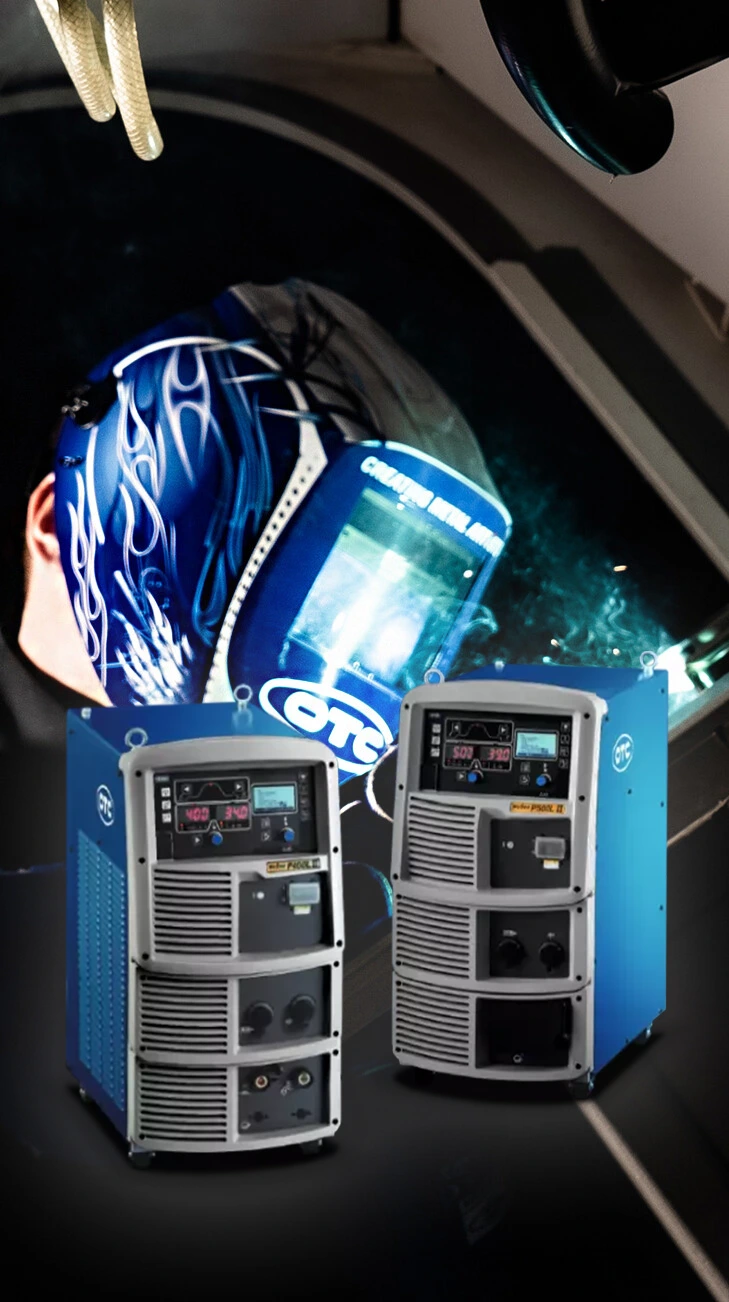
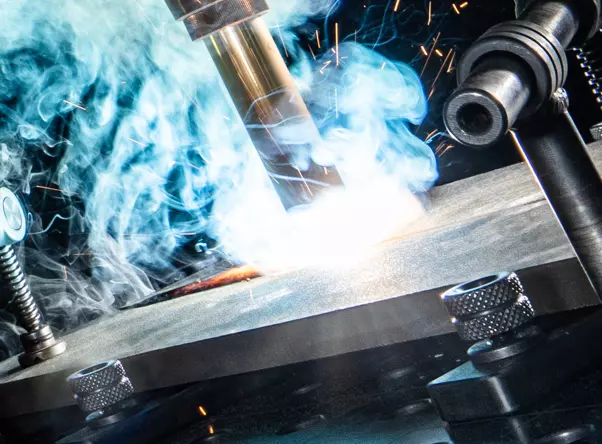
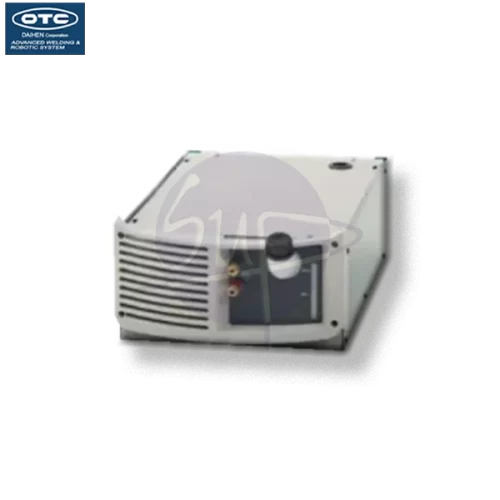
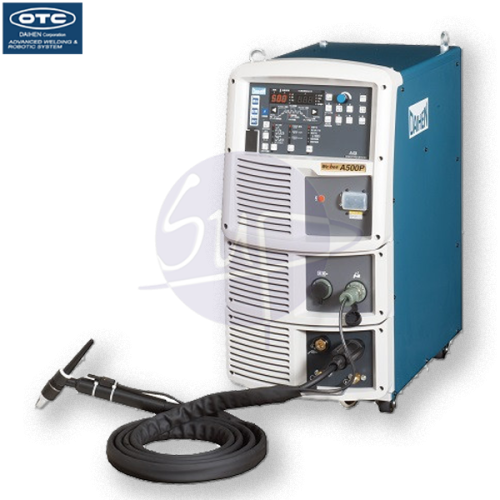
Looking for cutting-edge welding machines in Batam? The OTC Welbee series sets a new global standard in digital inverter welding. Designed with next-generation waveform control and real-time digital feedback, these machines deliver unmatched arc stability, high-quality welds, and improved energy efficiency—perfect for industrial applications in Batam’s growing manufacturing sector.
Whether you’re handling mild steel, stainless steel, or aluminum, the Welbee series guarantees consistent performance across MIG/MAG, TIG, and Stick welding processes.
High-Performance Welding Technology in Batam – The OTC Welbee Series
In the realm of welding technology, OTC Welbee welding machine has established itself as a game-changer, offering precision, efficiency, and reliability. Renowned for its advanced features and robust performance, the Welbee series caters to industries demanding high-quality welding solutions.
What is OTC Welbee?
OTC Welbee falls under the category of over-the-counter medications, meaning these products can be purchased directly without a doctor’s prescription. The range typically includes medications, health supplements, and personal care products that are safe when used according to the instructions provided on the packaging.
Focused on improving public access to healthcare, OTC makes its products widely available through pharmacies, convenience stores, and online platforms.
OTC offers a variety of products across multiple categories, including:
Welding of thin material at high speeds without material distortion
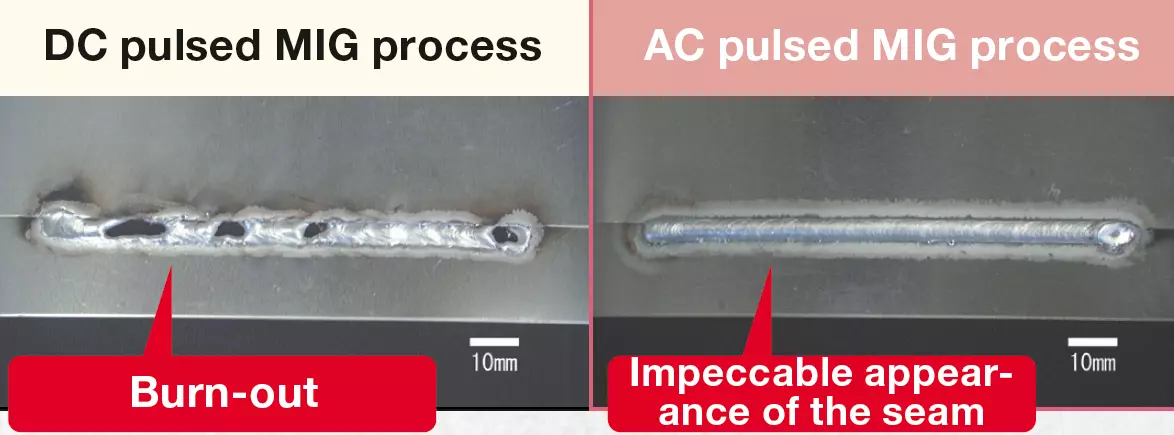
AC/MIG welding is a highly effective welding process that combines two important features: a higher melting rate and an improved penetration control. The increased melting rate at constant current input lowers the heat input into the workpiece. These features make it an ideal choice for welding thin metal sheets up to 0.6 mm in thickness without sacrificing the quality of the weld. AC/MIG welding is applicable for a wide range of materials, including steel, stainless steel, and aluminum.
Improved gab bridging
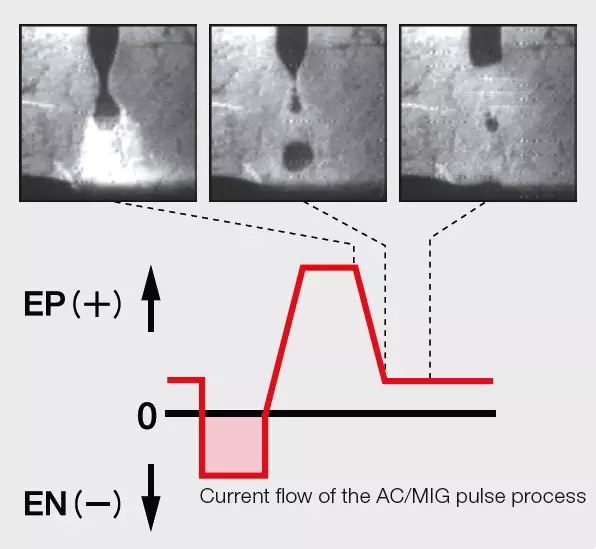
One notable advantage of AC/MIG welding is the flexibility it offers with regard to electrode polarity. In addition to the commonly used positive electrode, known as direct current electrode positive (DCEP), AC/MIG welding allows for the utilization of a negative electrode, referred to as direct current electrode negative (DCEN). This unique feature forms the basis of the welding process, as it involves the alternating current (AC) between DCEP and DCEN.
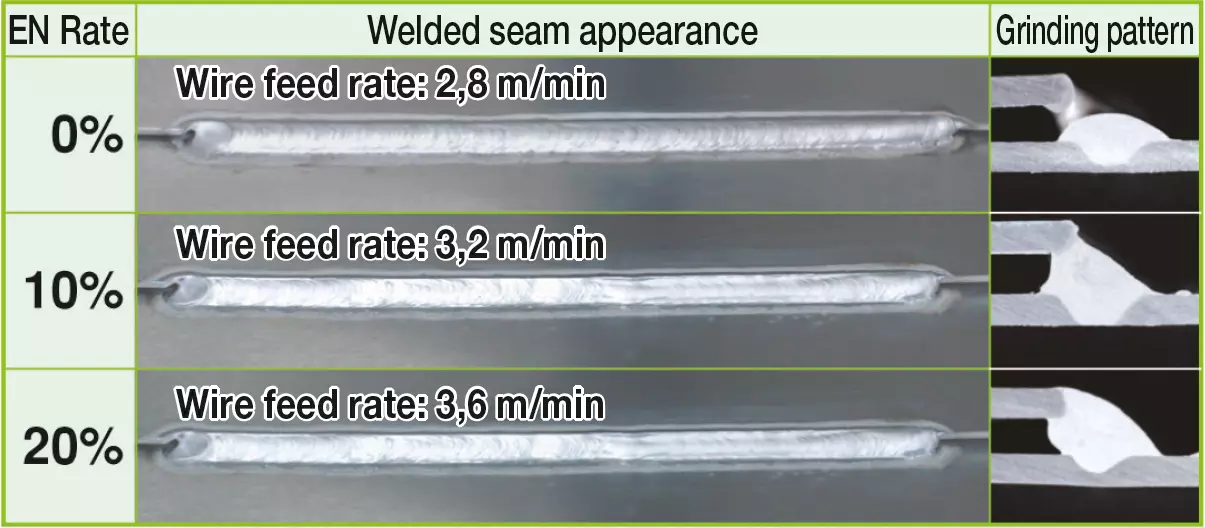
An important aspect influenced by the welding parameters is the EN Ratio, which refers to the proportion of time allocated to the DCEN polarity. By increasing the EN Ratio, there is a corresponding increase in the wire feed rate. Consequently, the higher wire feed rate leads to a greater deposition rate of the welding wire onto the workpiece. This enhanced deposition rate results in an improved capability to bridge gaps between materials during the welding process.
By adjusting the EN Ratio and increasing the wire feed rate, the deposition rate of the welding wire can be heightened, resulting in improved gap bridging capabilities.
Less welding fumes and oxid layers
AC/MIG welding also offers the benefit of producing less welding fumes and oxide layers. This results in a cleaner weld surface compared to other welding methods. The low temperature required for drop transfer in AC/MIG welding reduces the production of welding fumes. Consequently, there are fewer burn marks and less fume generated during the process. This contributes to a cleaner and visually appealing weld finish.
Welding of thin material at high speeds without material distortion
AC/MIG welding is a highly effective welding process that combines two important features: a higher melting rate and an improved penetration control. The increased melting rate at constant current input lowers the heat input into the workpiece. These features make it an ideal choice for welding thin metal sheets up to 0.6 mm in thickness without sacrificing the quality of the weld. AC/MIG welding is applicable for a wide range of materials, including steel, stainless steel, and aluminum.
Improved gab bridging
One notable advantage of AC/MIG welding is the flexibility it offers with regard to electrode polarity. In addition to the commonly used positive electrode, known as direct current electrode positive (DCEP), AC/MIG welding allows for the utilization of a negative electrode, referred to as direct current electrode negative (DCEN). This unique feature forms the basis of the welding process, as it involves the alternating current (AC) between DCEP and DCEN.
An important aspect influenced by the welding parameters is the EN Ratio, which refers to the proportion of time allocated to the DCEN polarity. By increasing the EN Ratio, there is a corresponding increase in the wire feed rate. Consequently, the higher wire feed rate leads to a greater deposition rate of the welding wire onto the workpiece. This enhanced deposition rate results in an improved capability to bridge gaps between materials during the welding process.
By adjusting the EN Ratio and increasing the wire feed rate, the deposition rate of the welding wire can be heightened, resulting in improved gap bridging capabilities.
Less welding fumes and oxid layers
AC/MIG welding also offers the benefit of producing less welding fumes and oxide layers. This results in a cleaner weld surface compared to other welding methods. The low temperature required for drop transfer in AC/MIG welding reduces the production of welding fumes. Consequently, there are fewer burn marks and less fume generated during the process. This contributes to a cleaner and visually appealing weld finish.
📊 Technical Specifications at a Glance
Model
Welding Type
Material Compatibility
Key Features
WB-P500L
Pulse MIG
Mild Steel, SS
Arc control, Low spatter
WB-M350L
MIG/MAG
Steel, SS, Aluminum
Energy-saving, Easy interface
WB-T300P
TIG
Aluminum, Copper alloys
High-frequency arc start, Pulse TIG
🌐Where to Buy OTC Welbee in Batam?
PT. Sinar Unggul Pratama, based in Batam, is your trusted distributor of genuine OTC Daihen Welbee welding machines. We provide full technical support, spare parts, and service to ensure your welding operations run smoothly and efficiently.
Contact us today for a demo or quotation
Company Profile SHOP NOW